
Carpal Tunnel Syndrome
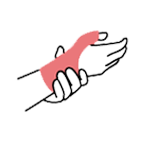
Carpal Tunnel Syndrome (CTS) is a painful disorder of the wrist and hand. The carpal tunnel is a narrow tunnel formed by the bones and other tissues of your wrist that protects your median nerve. When other tissues press against the median nerve, it will cause pain.
What we treat
Orthotic treatment options for CTS usually include using a neutral wrist brace. Contact us for more information about our braces and products to explore your options.
Other Treatments
If a medical problem causes Carpal Tunnel Syndrome, your doctor will probably first treat that problem.
Your doctor may ask you to rest your wrist or change how you use your hand. They may also ask you to wear a splint on your wrist. The splint keeps your wrist from moving but lets your hand do most of what it usually does. A splint can help ease the pain of carpal tunnel syndrome, especially at night.
Putting ice on your wrist, massaging the area, and stretching exercises may also help.
Causes of CTS
Repeating the same hand movements over and over can lead to Carpal Tunnel Syndrome. It’s most common in people whose jobs require pinching or gripping with the wrist bent. People at risk include people who use computers, carpenters, grocery checkers, assembly-line workers, meat packers, musicians and mechanics.
An injury may also cause CTS to the wrist, such as a fracture, or it may be caused by a disease such as diabetes, rheumatoid arthritis or thyroid disease. Carpal tunnel syndrome is also common during the last few months of pregnancy.
Questions
What are the symptoms of CTS?
Common Symptoms include:
- Numbness or tingling in your hand and fingers, especially the thumb and index and middle fingers.
- Pain in your wrist, palm or forearm.
- Increased numbness or pain at night. The pain may be so bad it wakes you up, and you may shake or rub your hand to get relief.
- More pain when you use your hand or wrist more.
- Trouble gripping objects.
- Weakness in your thumb.
HOW MOVE ME HELPS
How we support Carpal Tunnel Syndrome
Our clinicians fit orthoses and supports matched to your symptoms, activity level and goals.
Book an orthotic consultation- Clinical assessment Gait and function reviewed in clinic
- Orthotic fitting Ready-to-wear or custom devices
- Follow-up care Adjustments as your needs change
- Footwear advice Shoes that work with your supports
- Product options Order replacements when you need them
- Referral support We work with your care team